Pet Dental Care 101: Why Oral Health Matters
Pet Dental Care 101: Why Oral Health Matters
Many pet owners focus on regular checkups, vaccinations, nutrition, and exercise, but dental care is just as important to a pet’s overall health. Dogs and cats can develop plaque, tartar, gum disease, and painful dental problems that may affect their ability to eat and enjoy daily activities. Since pets often hide signs of discomfort, routine dental care and professional examinations are essential.
How Dental Problems Develop
Plaque is a sticky film of bacteria that naturally forms on the teeth after eating. Without proper care, plaque can harden into tartar along the gumline. Over time, this buildup can irritate the gums and lead to periodontal disease, one of the most common health conditions affecting adult dogs and cats.
As gum disease progresses, bacteria can damage the tissues supporting the teeth, causing inflammation, loose teeth, infection, and discomfort. In advanced cases, oral bacteria may enter the bloodstream and affect other areas of the body. Regular dental care can help identify and address these problems before they become more serious.
Signs Your Pet May Need Dental Care
Pets do not always show obvious signs of oral pain, but there are several symptoms that may indicate a dental problem. Contact your veterinarian if you notice:
- Bad breath that does not improve
- Yellow or brown tartar on the teeth
- Red, swollen, or bleeding gums
- Difficulty chewing or dropping food
- Reduced appetite
- Excessive drooling
- Pawing at the mouth
- Loose, broken, or missing teeth
- Swelling around the face or jaw
- Irritability or changes in behavior
Even if your pet seems comfortable, dental disease may still be developing below the gumline. That is why oral examinations should be part of your pet’s routine veterinary care.
Ways to Support Your Pet’s Oral Health
At-home dental care can help reduce plaque and support healthier teeth and gums. Brushing your pet’s teeth with a pet-safe toothbrush and toothpaste is one of the most effective ways to maintain oral hygiene. Human toothpaste should not be used because some ingredients can be harmful to pets.
Dental chews, treats, and specially designed toys may also help reduce buildup, but they should be used appropriately and should not replace professional veterinary care. Your veterinarian can recommend products based on your pet’s age, size, breed, health history, and chewing habits.
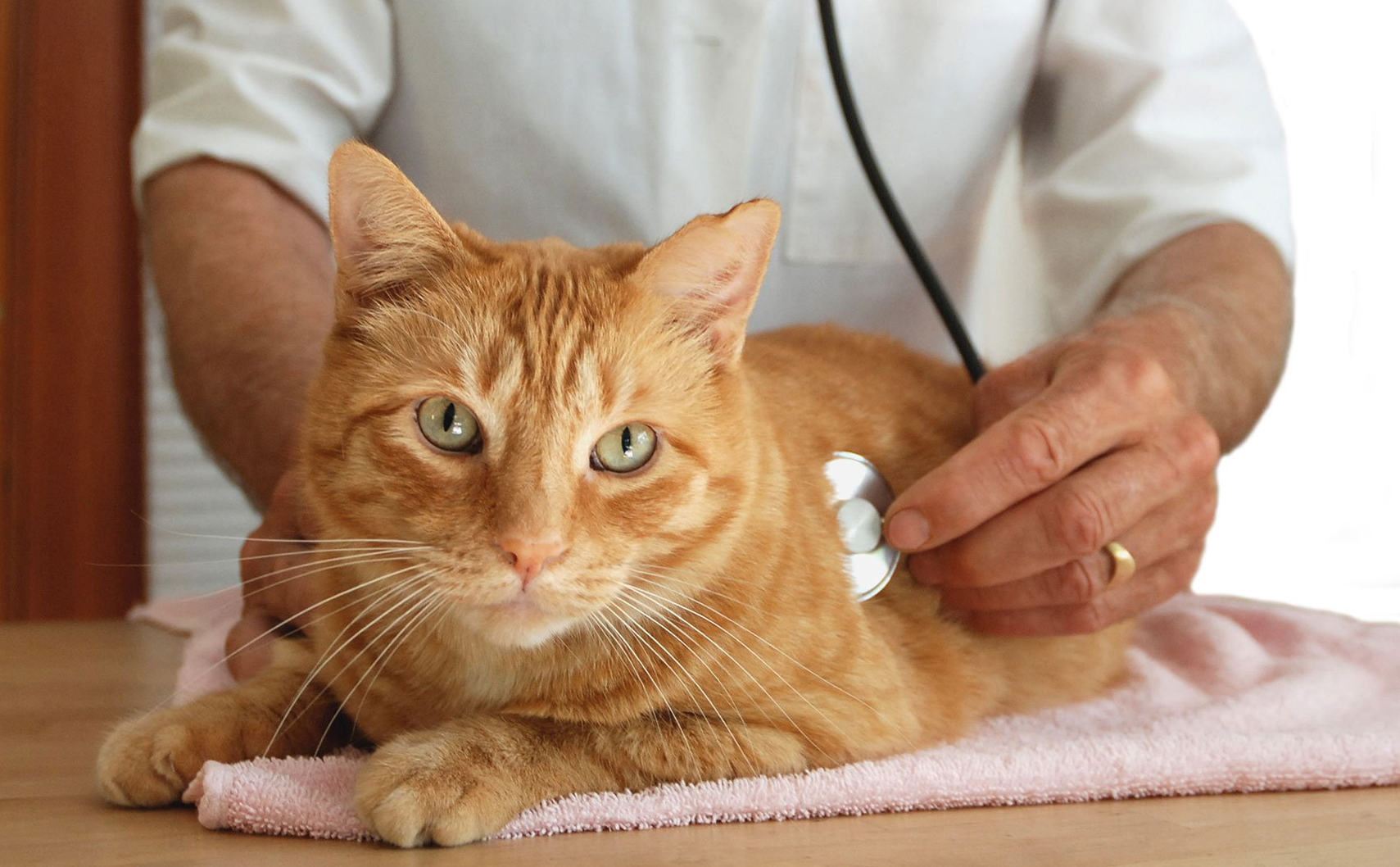
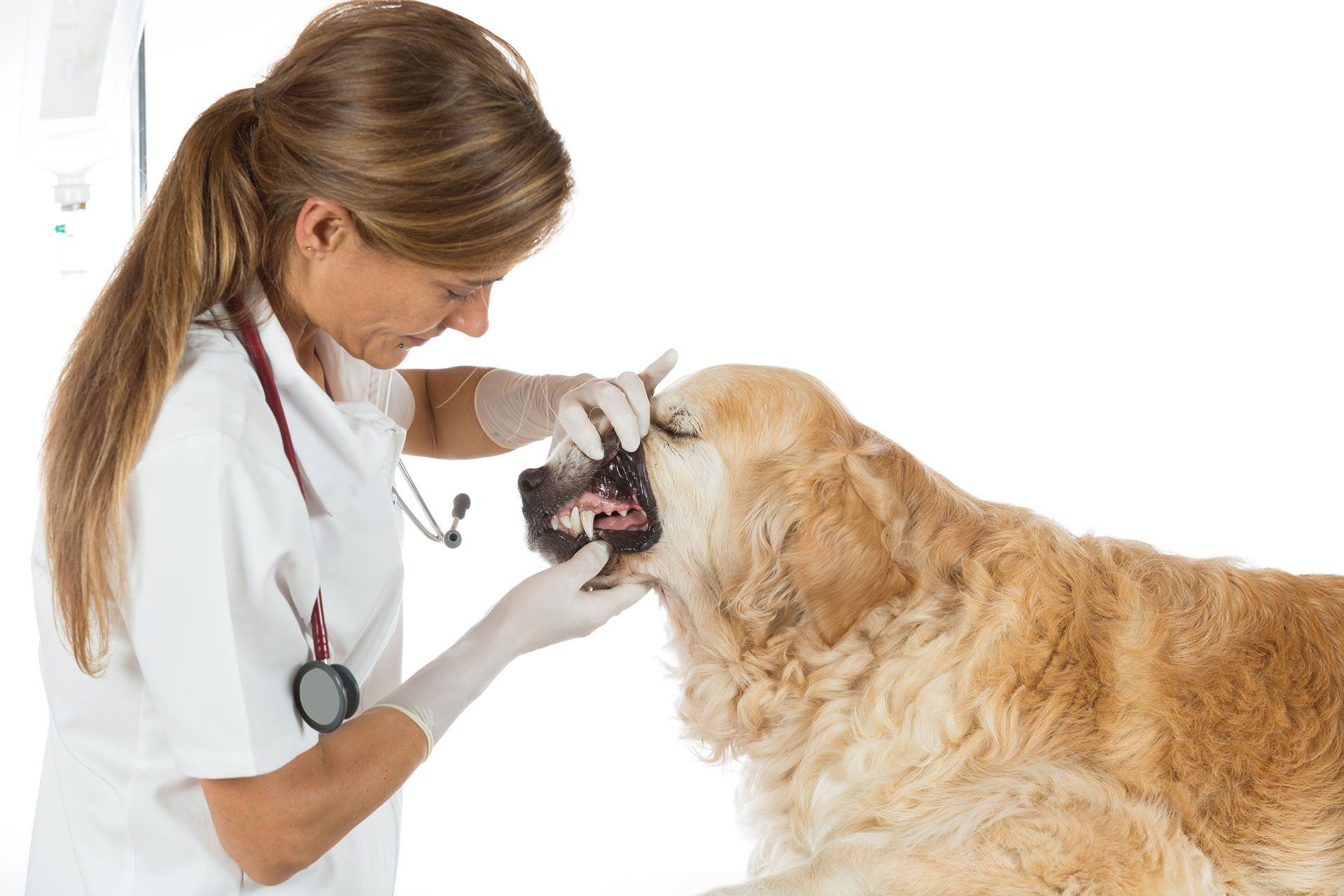
It is also important to schedule routine wellness examinations. During these visits, your veterinarian can check your pet’s teeth and gums, monitor changes over time, and recommend a professional dental cleaning when necessary. Veterinary dental cleanings allow the team to clean areas that cannot be reached through brushing alone and evaluate the health of the teeth beneath the gumline.
Dental Care Benefits Pets of All Ages
Puppies and kittens can benefit from early dental exams and gentle brushing routines, while adult pets may need more consistent preventive care to manage plaque and tartar. Senior pets may require additional attention because dental disease can become more common with age.
Starting good habits early can make dental care less stressful for both you and your pet. However, it is never too late to speak with a veterinarian about improving your pet’s oral health.
Schedule a Pet Dental Exam
Healthy teeth and gums can contribute to your pet’s comfort, nutrition, and quality of life. If you have noticed bad breath, tartar, changes in eating habits, or other signs of oral discomfort, contact Vetcare for Pets Animal Hospital to schedule an examination. Our veterinary team can assess your pet’s dental health and recommend personalized preventive or professional dental care.
Call us today to help your pet maintain a healthier smile. We proudly serve Dunn, Benson, Clinton, Fayetteville, NC, and the surrounding areas.